
 RAJAN KUMAR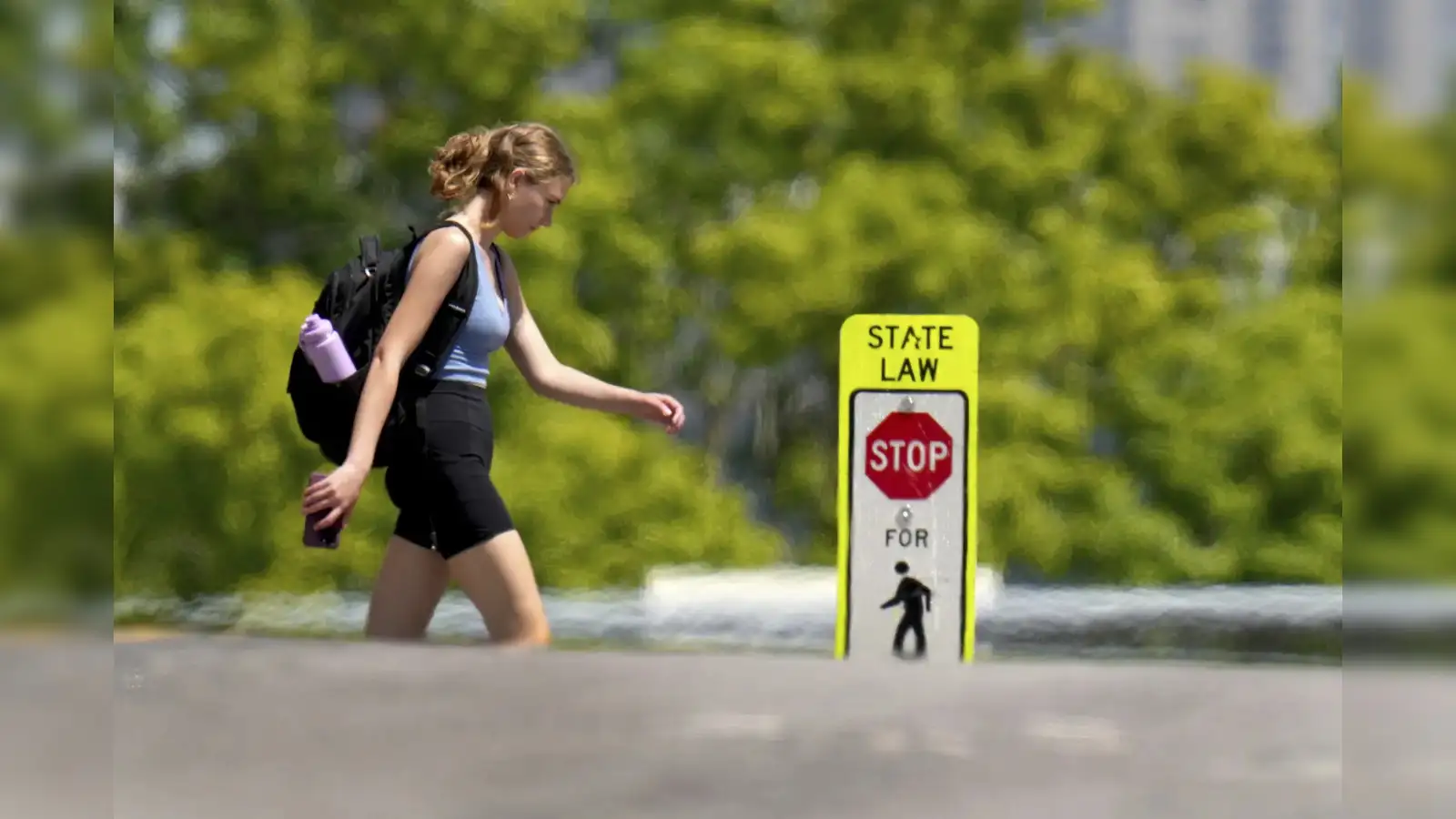
U.S. Extreme Heat Warning: Why This Summer Is Different — And How to Stay Safe
This summer, America is sweating under one of the most intense and prolonged heat waves in recent memory. From the deserts of Arizona to the bustling streets of New York City, millions are living under an official Extreme Heat Warning.
Meteorologists say these aren’t just “hot days.” This is a public health emergency. Here’s what’s happening, why it matters, and how you can protect yourself and your loved ones.
A Nation Under Heat Siege
July has brought record-breaking temperatures across much of the United States.
- Phoenix has seen multiple consecutive days above 110°F (43°C).
- Texas is dealing with heat indexes that feel like 115°F.
- The Midwest and East Coast aren’t spared either — high humidity is making temperatures feel suffocating.
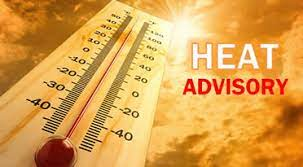
This heat wave isn’t just uncomfortable; it’s dangerous. The National Weather Service (NWS) has issued Extreme Heat Warnings and advisories for tens of millions of people.
Why Extreme Heat Is So Deadly
Unlike storms or hurricanes, heat can seem invisible — but its impact is devastating. Extreme heat kills more Americans each year than floods, tornadoes, and hurricanes combined.
Why?
- Humidity locks in heat. Sweat evaporates slowly, preventing your body from cooling itself.
- Urban heat islands intensify the problem. Cities trap heat with concrete, asphalt, and glass.
- Continuous exposure. When temperatures don’t cool off at night, the body has no time to recover.
Health risks include heat exhaustion, dehydration, and heat stroke — a life-threatening emergency.
How to Stay Safe When the Heat Is Relentless
Staying cool isn’t just about comfort; it’s about survival.
1. Stay Hydrated Like It’s Your Job
Water is your best friend. Drink frequently, even when you’re not thirsty. Avoid alcohol and sugary drinks — they make dehydration worse.
2. Know the Danger Hours
Avoid outdoor work or exercise between 10 a.m. and 4 p.m.. These are the peak hours when heat stress builds up fastest.
3. Cool Down Your Environment
- Use air conditioning if possible.
- Don’t hesitate to visit a public cooling center — local authorities often open these during heat warnings.
- Take cool showers or use damp towels to reduce body temperature.
4. Protect the Vulnerable
Check in on elderly relatives, young children, and pets. Never leave anyone in a parked car — temperatures can skyrocket in minutes.
Recognize the Warning Signs
- Heat Exhaustion: Heavy sweating, weakness, dizziness, nausea.
- Heat Stroke: Confusion, high body temperature, fainting. Call 911 immediately — this is a medical emergency.
Why Are Heat Waves Becoming More Frequent?
Scientists warn that climate change is supercharging heat waves. Warmer oceans and shifting weather patterns mean:
- Longer and more intense hot periods
- Fewer cool nights
- More risk to public health, crops, and power systems
Experts emphasize that extreme heat will become the new normal unless greenhouse gas emissions are reduced.
The Bottom Line
Extreme heat warnings are not just weather updates — they are life-saving alerts.
This summer, take them seriously. Stay hydrated. Stay cool. Stay aware.
As communities adapt, one thing is clear: in a hotter world, preparation isn’t optional — it’s essential.
Stay Safe. Share This Post.
Help others stay informed by sharing these safety tips with your friends and family. Together, we can beat the heat.
“Extreme heat warnings are sweeping across the U.S. Learn why this summer is breaking records, the dangers of heat waves, and essential tips to stay safe.”